Connecting Generations Through Traditional Music Events
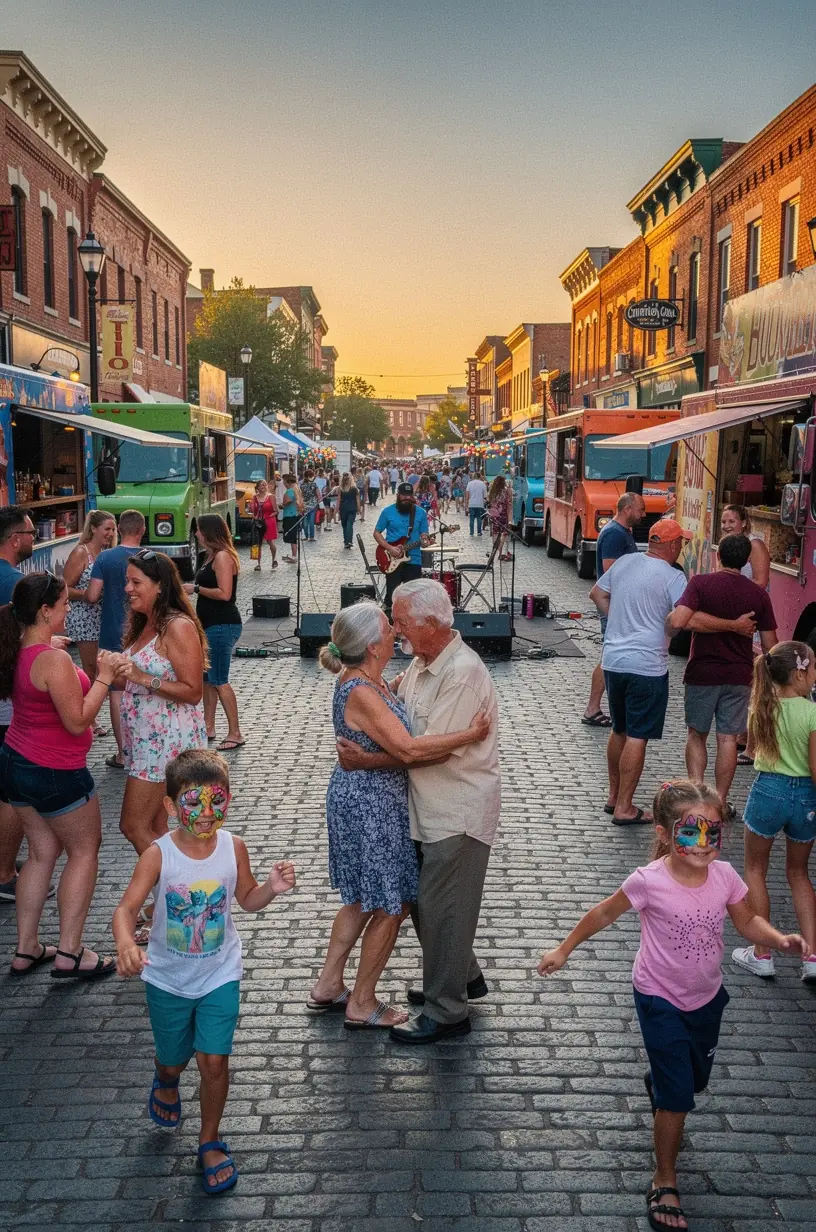
In an increasingly digital world, traditional music events offer a unique opportunity to bridge the generational divide. These gatherings, whether they be music salons, themed evenings, or group activities, not only celebrate cultural heritage but also foster intergenerational connections.
Understanding the Role of Traditional Music
Traditional music plays a crucial role in cultural identity and community bonding. According to research from the National Endowment for the Arts, participation in musical activities can enhance emotional well-being and promote social interaction. Experts suggest that engaging in music can often help individuals express their feelings and create shared experiences, particularly among different age groups.
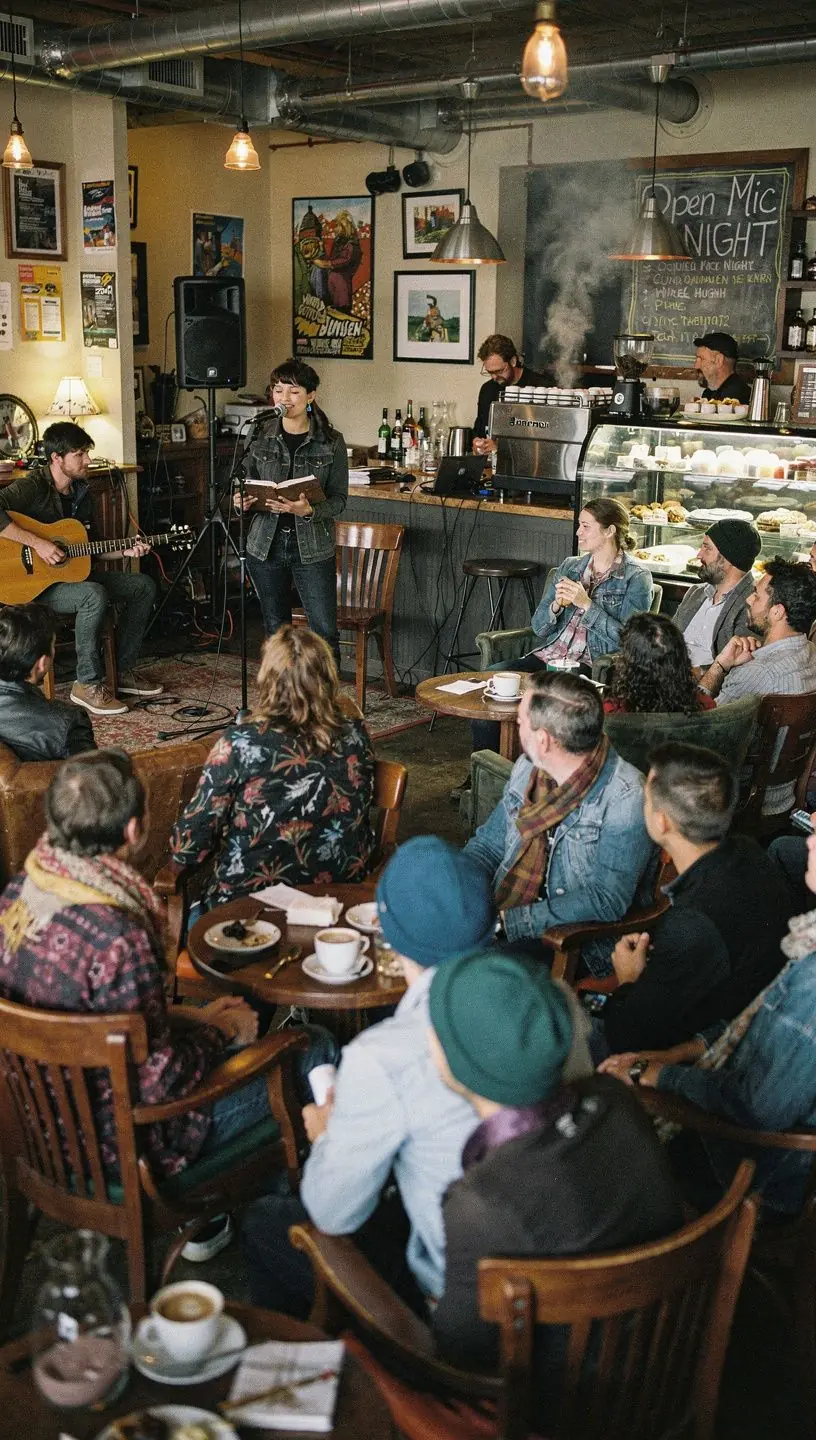
"Music has the power to connect us, transcending barriers of age, language, and culture." - Cultural Anthropologist
The Benefits of Intergenerational Music Events
- Fostering Connection: Many users report that participating in traditional music events allows them to share stories and experiences, creating a sense of belonging.
- Encouraging Learning: Older generations often share valuable knowledge about historical music styles and cultural significance, which can enrich younger participants' understanding.
- Boosting Mental Health: Studies show that engaging in group music-making typically reduces feelings of loneliness and isolation, which can be particularly beneficial for older adults.
How to Get Involved in Traditional Music Events
Participating in local traditional music events can be a rewarding experience. Here are some steps to consider:
- Research Local Events: Many communities host traditional music gatherings. Websites like Purvkalnne often provide listings of upcoming events.
- Engage with Community Centers: Local community centers often organize music workshops and salons that invite participants of all ages to learn and perform together.
- Volunteer or Participate: Offering to help with organizing or promoting an event can deepen your involvement and understanding of the cultural significance of the music.
Challenges and Considerations
While traditional music events can be incredibly beneficial, they do come with some challenges:
- Time Commitment: Organizing and participating in these events typically requires a commitment of time and effort. Planning can often take several weeks, and regular attendance is often necessary to form connections.
- Learning Curve: For those unfamiliar with traditional music, there may be a learning curve. However, this can be a rewarding process that enhances appreciation for the art form.
Conclusion
Traditional music events serve as a powerful platform for connecting generations. By fostering collaboration and understanding, these gatherings help preserve cultural heritage while promoting emotional well-being. Engaging in such events can lead to enriching experiences, making it a worthwhile endeavor for those interested in bridging the generational gap through music.
Learn More