Exploring the Art of Music Salons
Music salons, intimate gatherings where music lovers come together to appreciate and discuss musical art, are experiencing a resurgence in various cultural hubs across the United States. This article delves into the significance of music salons, their structure, and what attendees can typically expect from these enriching experiences.
Understanding the Concept of Music Salons
Historically, music salons served as a platform for composers, musicians, and enthusiasts to share their work in a more personal, informal setting compared to traditional concert venues. According to cultural historians, these gatherings "provided a space for artistic expression and community building," which many experts believe is essential in the modern cultural landscape.

"Music salons are not just about performance; they create connections among people who share a passion for music," says Dr. Lisa Hartman, a cultural studies expert.
The Structure of a Typical Music Salon
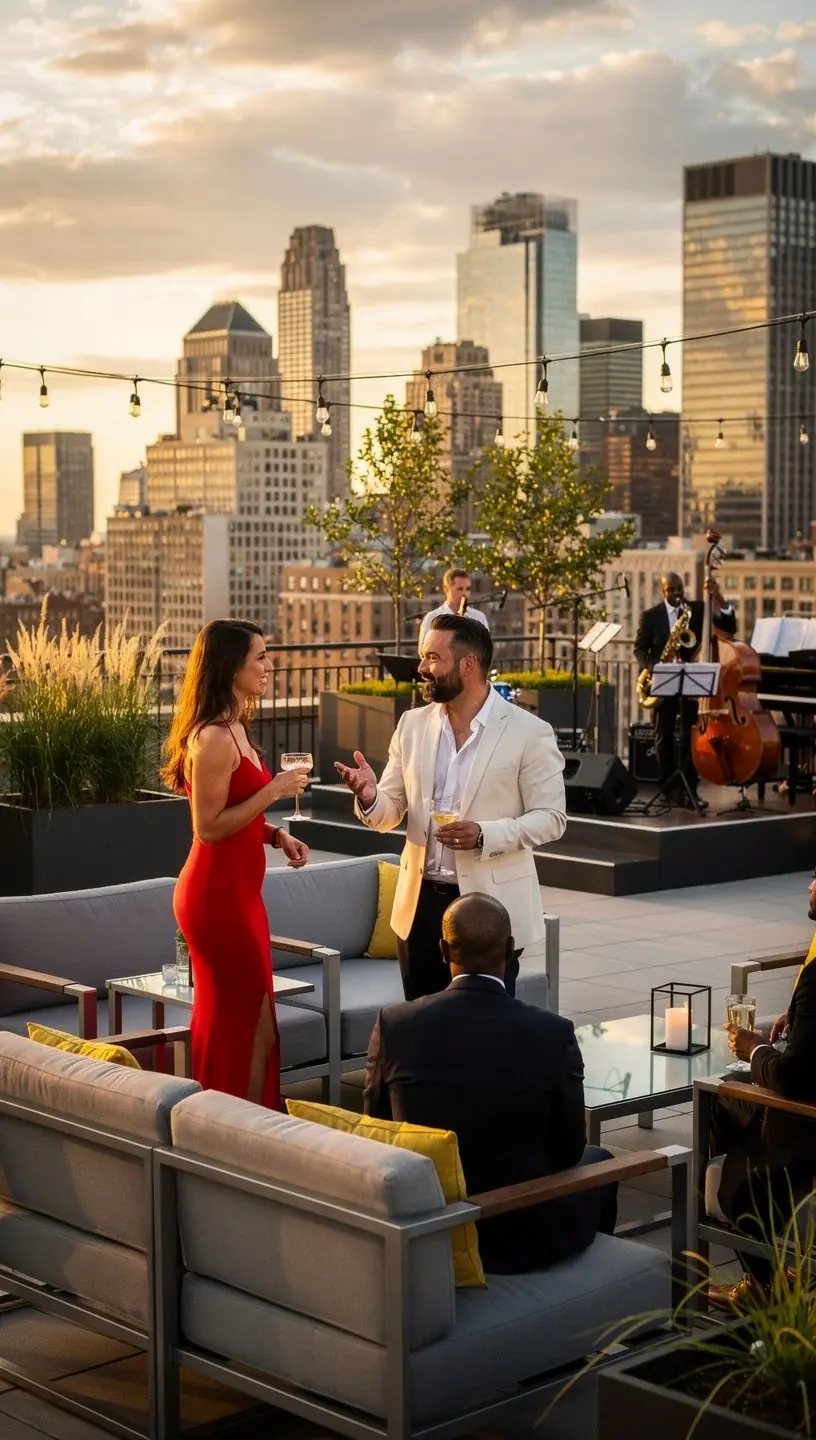
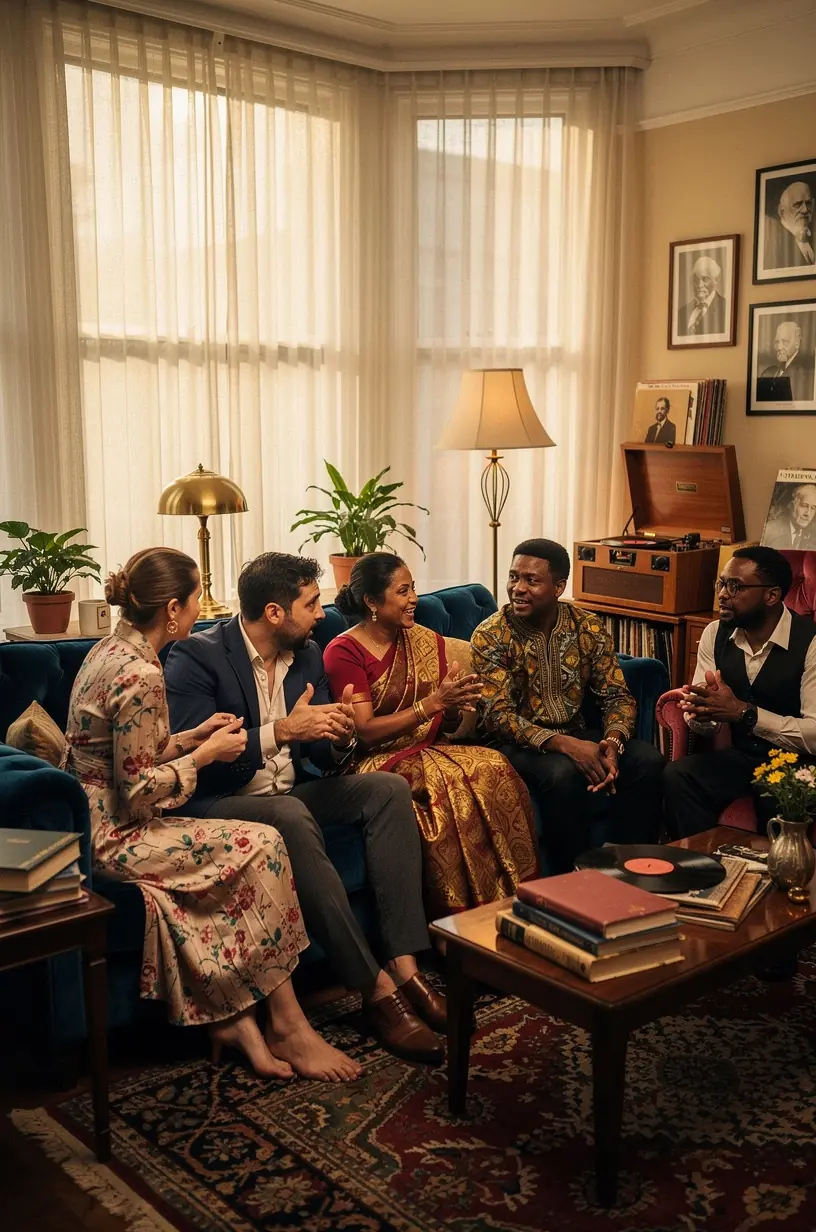
In most cases, music salons are hosted in private homes, community centers, or local cafes, typically accommodating a small audience of 20 to 50 people. The format usually includes:
- Performance: Local musicians or hobbyists perform a selection of pieces, which can vary from classical to contemporary.
- Discussion: Attendees are often invited to engage in conversations about the music, the artists, and related themes, fostering a deeper understanding.
- Networking: These gatherings provide an opportunity for attendees to meet others who share their interests, potentially collaborating in future artistic endeavors.
Why Attend a Music Salon?
Attending a music salon can be a unique experience for several reasons:
- Intimacy: The smaller setting allows for a closer connection to the performers and the music itself, which is often lost in larger venues.
- Community Building: Many users report feeling a stronger sense of belonging within their local cultural scene after attending such events.
- Educational Value: Experts recommend attending salons as a way to learn about different music styles and the stories behind each piece.
Preparing for a Music Salon: What to Expect
Before attending, it's helpful to consider a few basic guidelines:
- Arrive Early: Getting there ahead of time allows for mingling with other attendees and settling in comfortably.
- Be Open-Minded: Expect to hear a variety of musical styles and be prepared to engage in discussions about them.
- Respect the Environment: Many music salons encourage a quiet atmosphere, so it's essential to remain attentive during performances.
Acknowledging Limitations
While music salons can be enjoyable and enriching, they may not cater to everyone's tastes. For individuals who prefer large concerts with elaborate productions, salons may feel too subdued. Additionally, attendees should be prepared for a commitment of time, as these events can last for several hours, often requiring active participation in discussions.
Conclusion
Music salons offer a unique way to experience and appreciate music in a communal setting, allowing for both personal growth and cultural enrichment. By understanding the structure and purpose of these gatherings, attendees can maximize their experience. While not suitable for everyone, many find that engaging in music salons can deepen their appreciation for the art form and foster a sense of connection with fellow music lovers.
Learn More