The Impact of Live Music on Local Culture
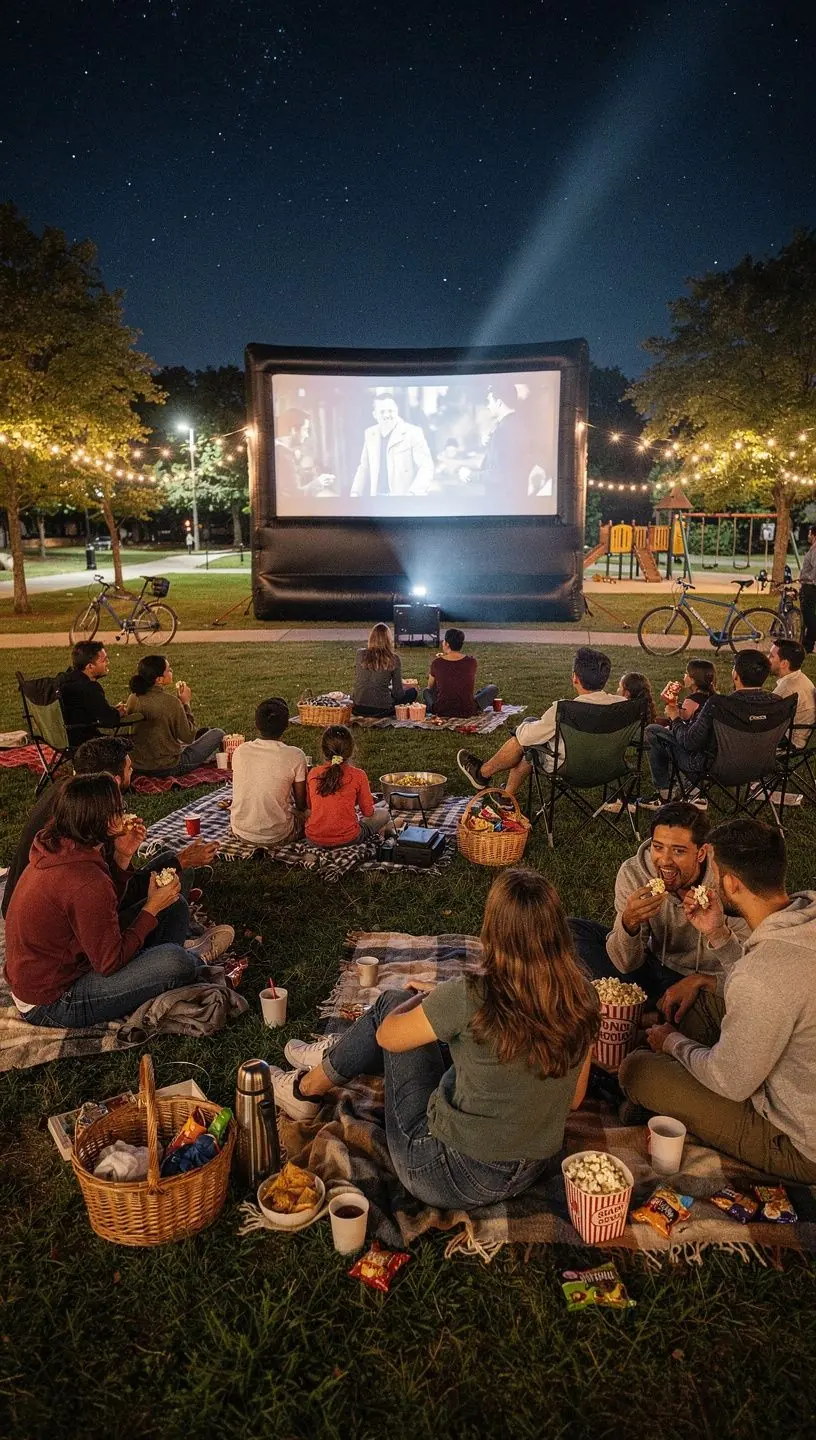
Live music events play a crucial role in shaping and enriching local culture across the United States. By bringing communities together, these events foster both social cohesion and cultural exchange, providing a platform for diverse musical expressions.
Understanding the Role of Live Music
Research indicates that live music is more than just entertainment; it serves as a cultural anchor for communities, often reflecting local identities and values. According to studies by cultural organizations, participation in live music events can enhance community spirit and promote cultural awareness.
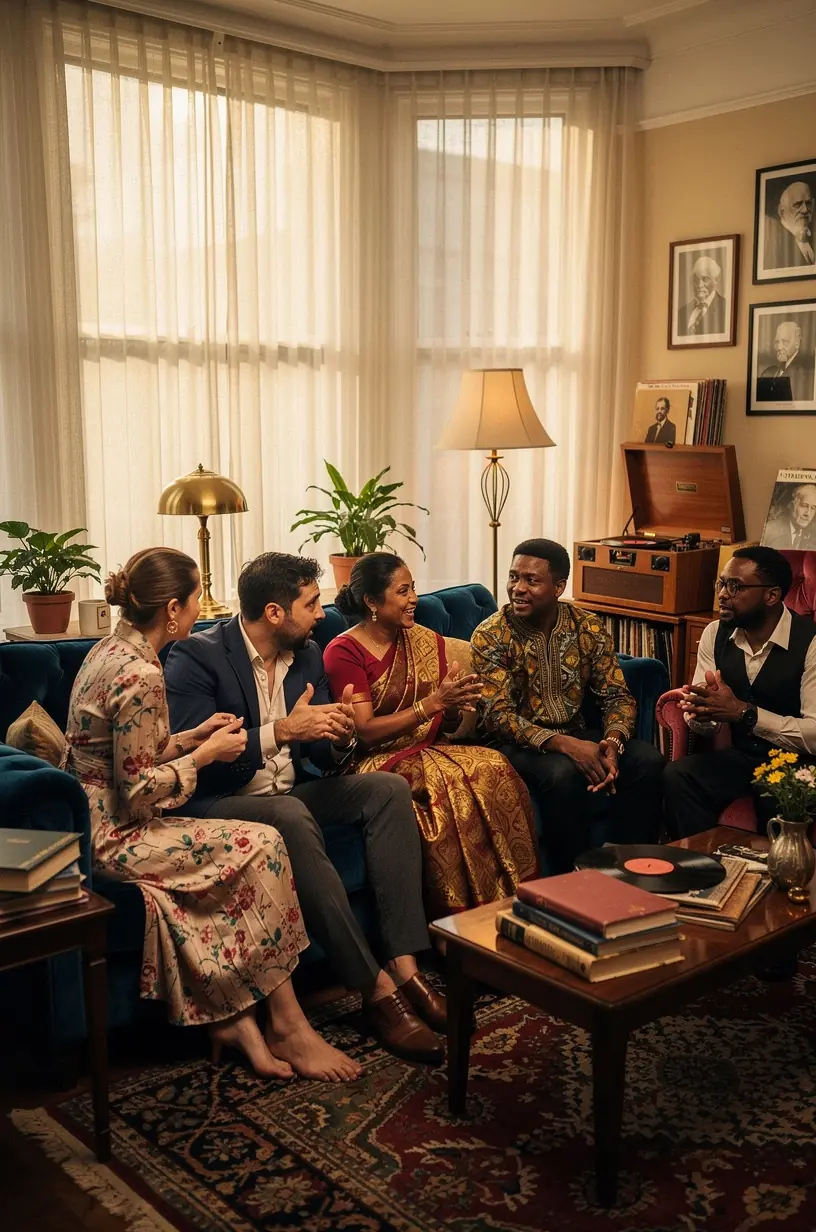
"Live music has the power to unite individuals from various backgrounds, creating a shared cultural experience that strengthens community bonds." - Cultural Research Institute
Benefits of Live Music Events
Engaging with live music offers various benefits for both individuals and communities:
- Community Engagement: Live music events encourage participation and attendance among community members, often fostering connections and friendships.
- Cultural Exchange: In many cases, these events provide a platform for local artists to showcase their work, allowing for a rich exchange of cultural ideas and practices.
- Boosting Local Economy: Studies show that live music events can stimulate local economies by attracting visitors and supporting local businesses such as restaurants and shops.
The Process of Organizing Live Music Events
Organizing successful live music events involves several steps:
- Identify the Audience: Understanding who the event is for can guide decisions on the type of music, venue, and marketing strategies.
- Choose the Right Venue: Selecting a location that is accessible and appealing to the target audience is critical. Research suggests that venues with a strong community presence often yield the best turnout.
- Collaborate with Local Artists: Engaging local musicians not only supports the community but also attracts an audience that is eager to support their local talent.
Challenges and Considerations
While organizing live music events can be rewarding, it’s essential to acknowledge potential challenges:
- Time and Effort: Planning and executing a successful event typically takes several weeks and requires coordination with various stakeholders.
- Funding and Resources: Many organizers find that securing funding can be a barrier. Exploring sponsorship or community grants may be necessary.
- Weather and Logistics: Outdoor events can be particularly vulnerable to weather conditions, necessitating contingency plans.
Conclusion
Live music events are integral to enhancing local culture in the US. By fostering connections and supporting local artists, these events contribute significantly to community identity and cohesion. While challenges exist, the potential benefits of live music for social engagement and economic growth are substantial. For those looking to host such events, understanding the underlying principles and being prepared for the required effort can lead to meaningful cultural experiences.
Learn More