Navigating Cultural Diversity in Community Events
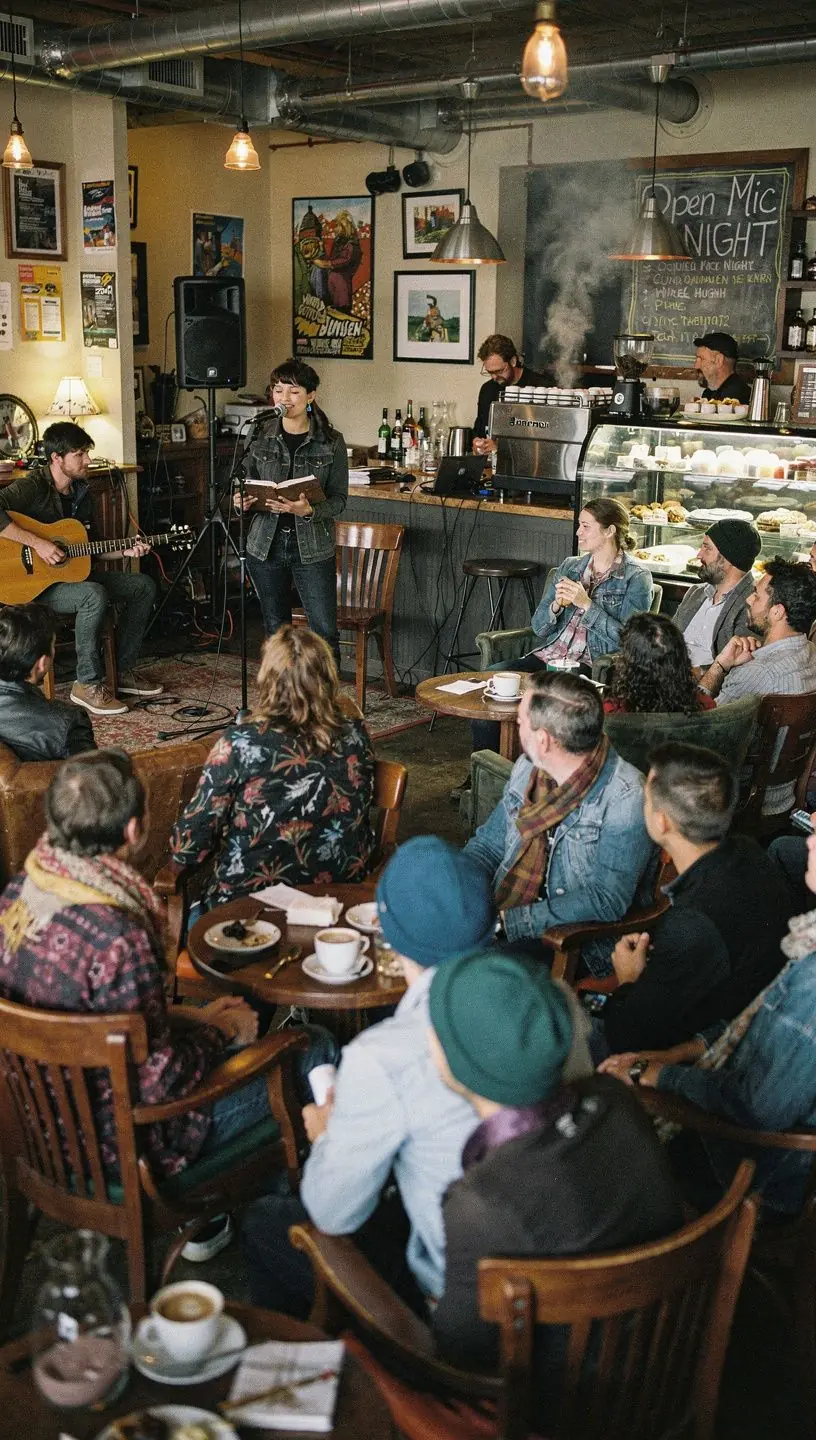
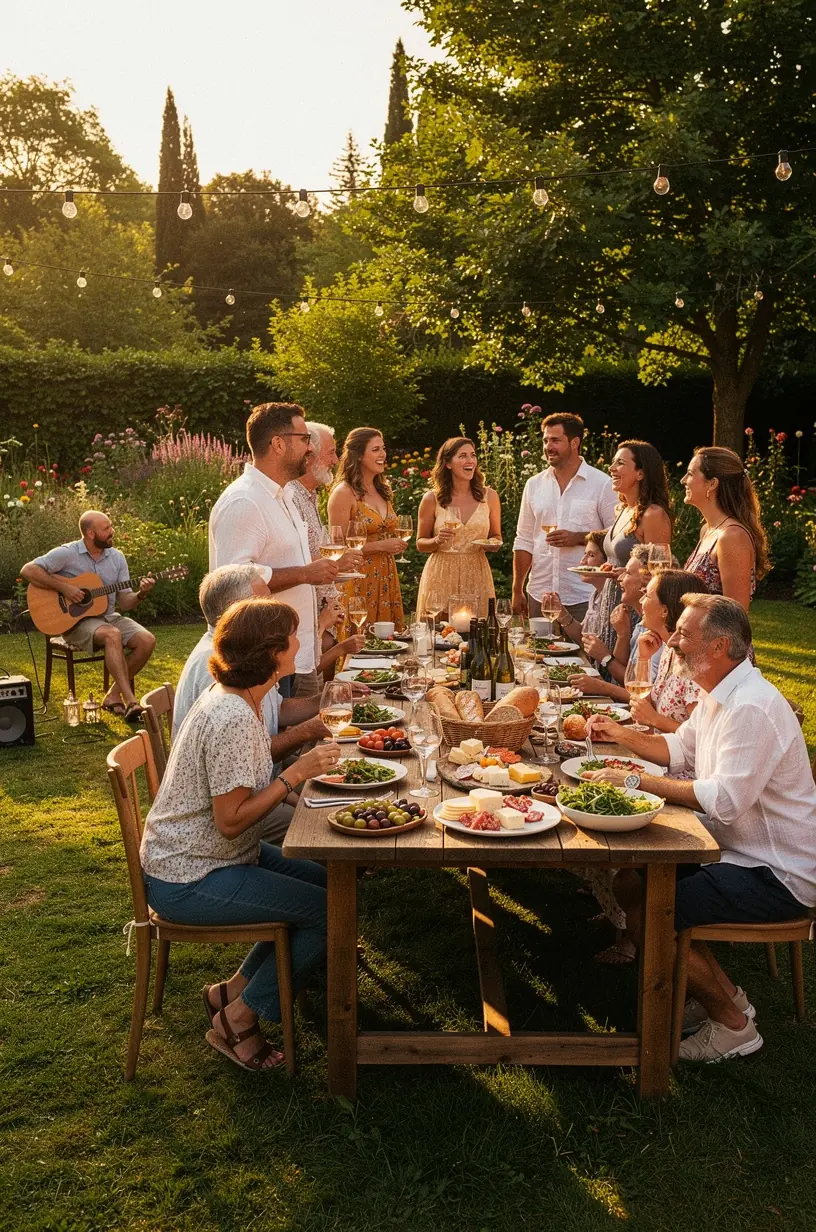
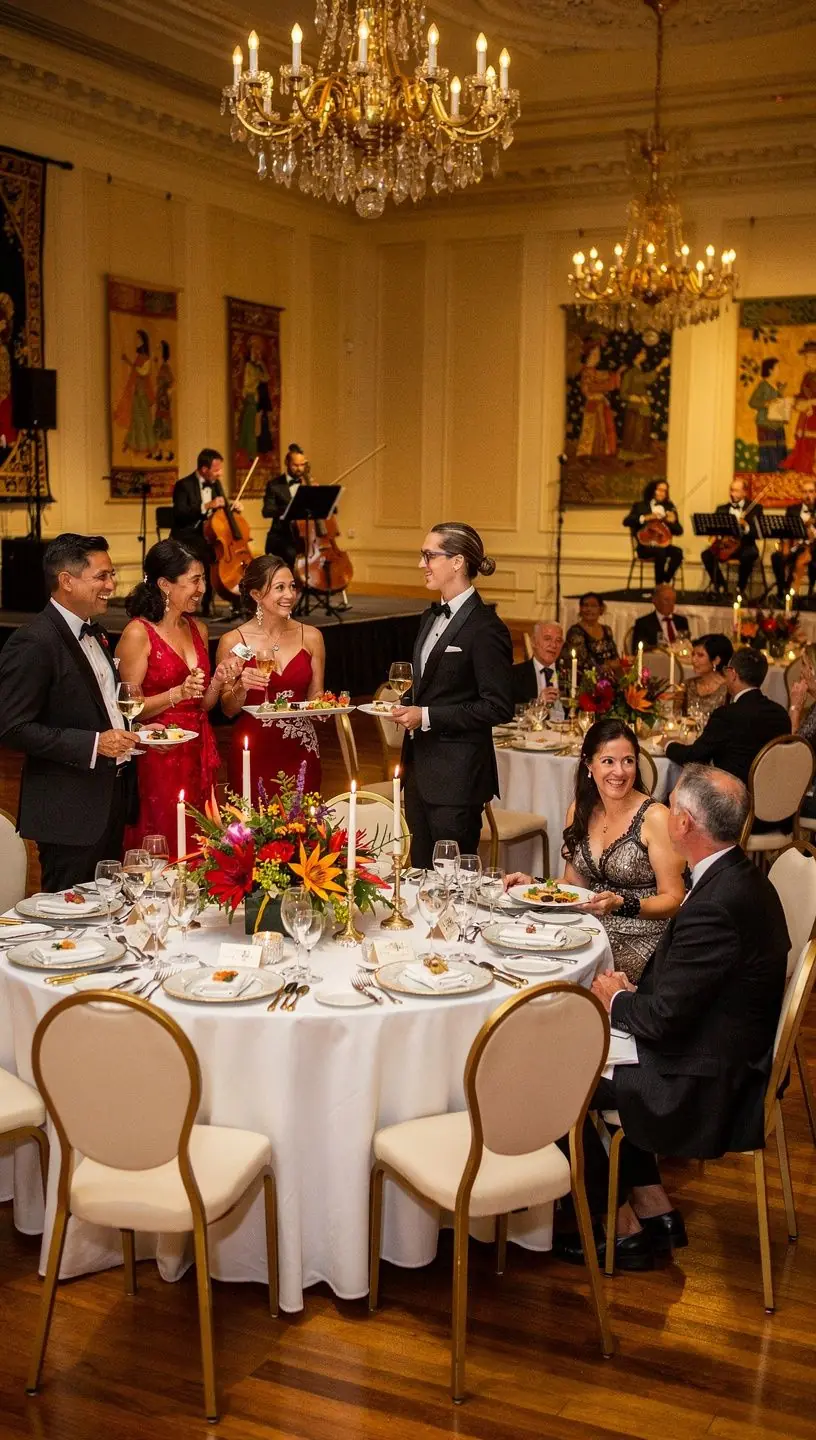
As communities become increasingly diverse, understanding how to engage with different cultural backgrounds in community events has never been more important. This article explores effective strategies for navigating cultural diversity in offline events like music salons, themed evenings, and group activities.
Understanding Cultural Diversity
Cultural diversity encompasses various aspects, including ethnicity, language, religion, and social practices. According to a report by the Pew Research Center, the United States is home to a wide array of cultures, with projections indicating that by 2045, no single racial or ethnic group will hold a majority. This evolving landscape illustrates the necessity for community events to reflect and celebrate this diversity.
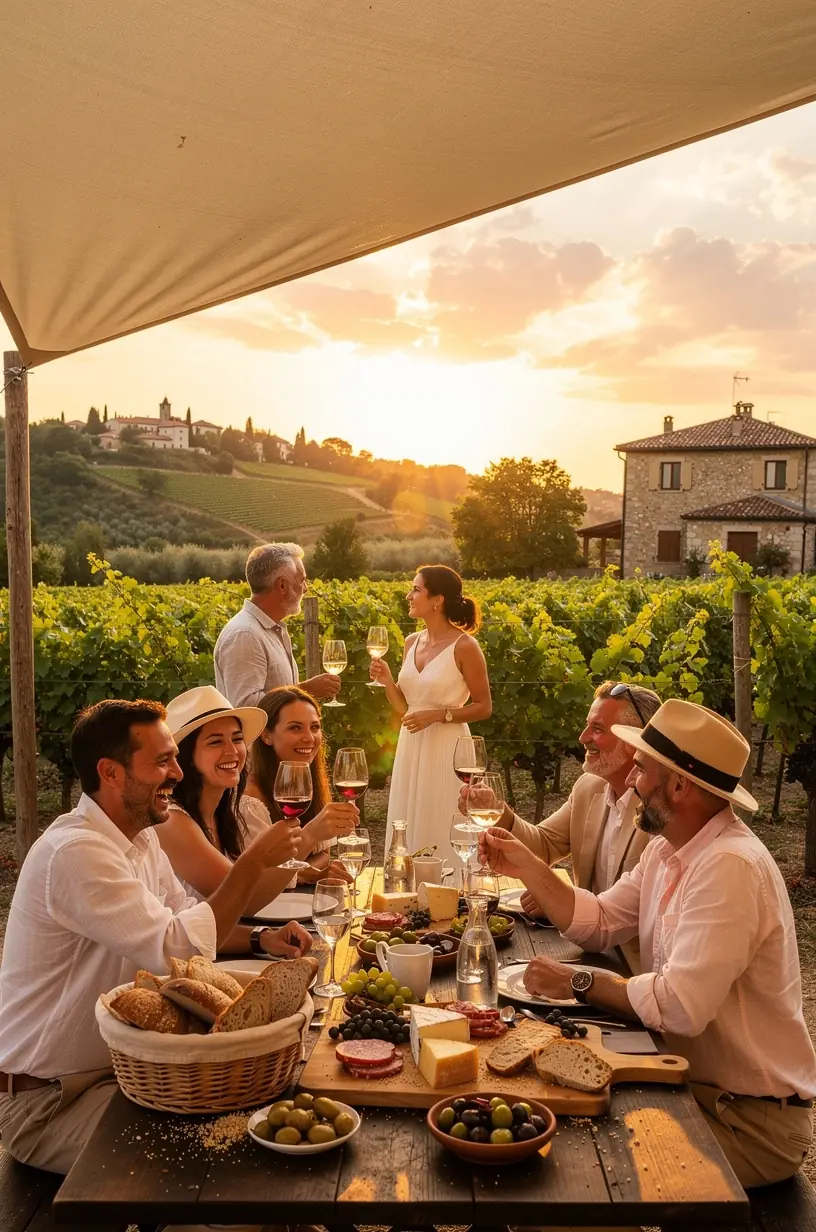
"Cultural diversity enriches our communities, enhancing creativity and fostering innovation." - Dr. Ana Martinez, Cultural Anthropologist
Why Community Events Matter
Community events serve as a crucial platform for individuals to connect, share experiences, and learn from one another. Experts in community engagement suggest that inclusive events can help bridge gaps between different cultural groups, fostering mutual respect and understanding. Typically, these events also create opportunities for cultural exchange, where attendees can learn about various traditions and practices.
Strategies for Navigating Cultural Diversity
- Incorporate Diverse Programming: Aim to include a variety of cultural performances, workshops, and discussions that reflect the community's diversity. For example, hosting a music salon featuring artists from different cultural backgrounds can foster appreciation and interest.
- Engage with Community Leaders: Collaborating with local cultural leaders or organizations can provide insights into how to best cater events to diverse audiences. Many community leaders can offer guidance on cultural sensitivities and preferences.
- Solicit Feedback: After hosting an event, gather feedback from attendees about what worked well and what could be improved. This ongoing dialogue can help event organizers make necessary adjustments to better meet the needs of diverse participants.
Challenges and Considerations
While striving for inclusivity, it’s important to acknowledge potential challenges. Events that aim to unite diverse groups may require additional planning and resources. For instance, accommodating various languages or dietary restrictions may involve extra effort. A report by the National Endowment for the Arts indicates that successful community events often involve a commitment to ongoing learning and adaptation.
Setting Realistic Expectations
When organizing community events, it's essential to set clear, realistic expectations. Research indicates that creating a truly inclusive event typically involves a commitment of several months for planning and community outreach. This includes understanding different cultural practices and ensuring representation in the programming. In most cases, involving cultural consultants can enhance the effectiveness of these efforts.
Conclusion
Navigating cultural diversity in community events is a rewarding yet complex endeavor. By prioritizing inclusive programming, engaging with community leaders, and soliciting feedback, organizers can create events that resonate with diverse audiences. It is crucial to approach this work with a mindset of continuous improvement and openness to learning. With dedication and effort, community events can become vibrant spaces for cultural exchange and collective celebration.
Learn More