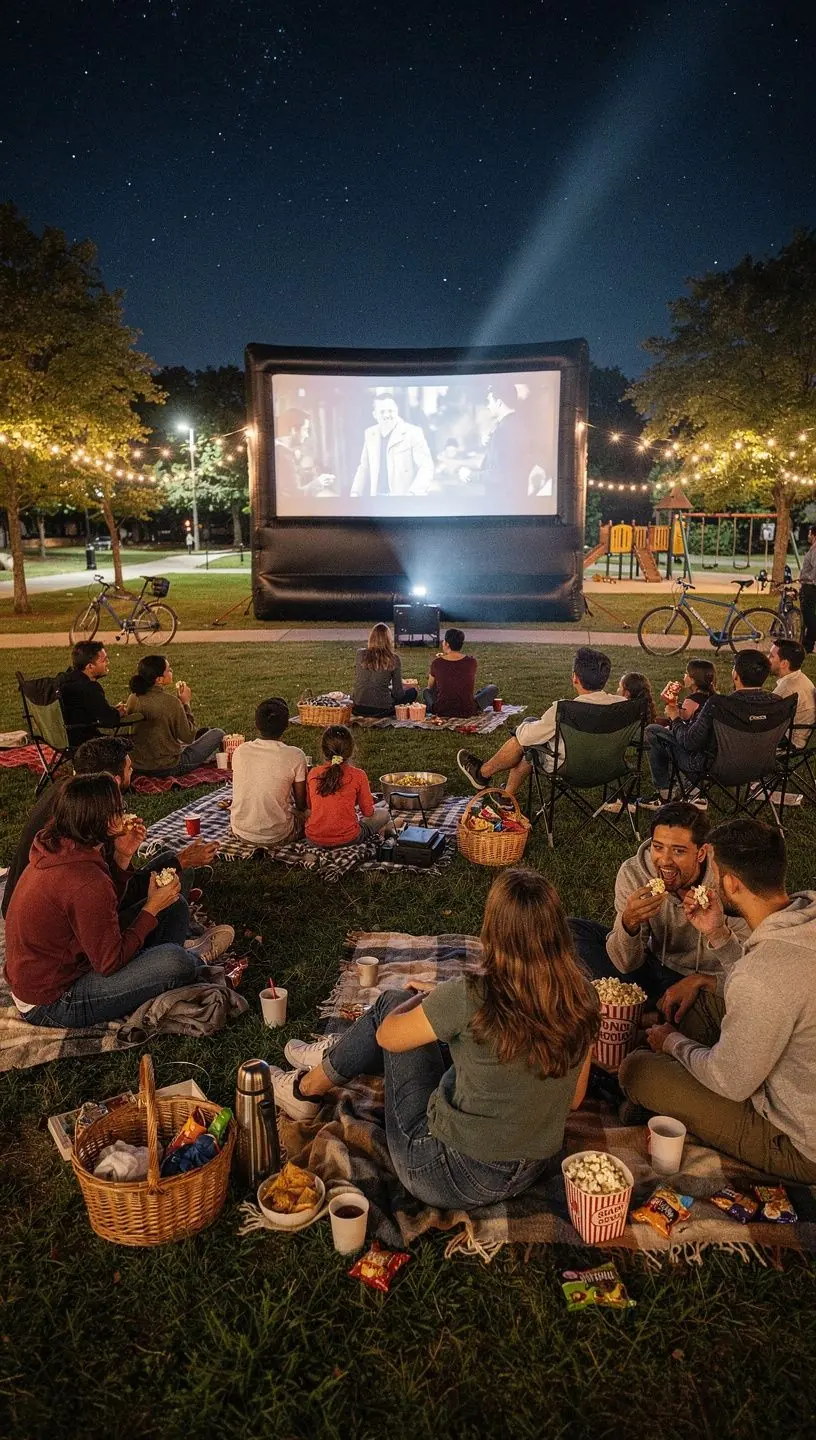
A Guide to Hosting Successful Offline Events
In an age dominated by digital interactions, the importance of offline events has regained prominence. Whether it’s a music salon, a themed evening, or a group activity, hosting successful offline events can foster community, creativity, and connection. This guide aims to provide practical insights and strategies to help you plan and execute engaging events.
Understanding the Basics of Offline Events
Hosting offline events involves more than just gathering people. It is essential to understand the purpose and audience of your event. According to studies in social engagement, offline events can create a sense of belonging that online platforms often lack. Experts recommend starting with a clear vision of what you want to achieve and who you want to attract.

"Community-building events often result in stronger interpersonal connections and loyalty among participants." - Event Planning Expert
Planning Your Event
Effective planning is crucial for the success of your offline event. Here are some steps to consider:
- Define Your Goals: Determine what you want to accomplish. This could range from raising awareness about a cause to simply creating a fun environment for people to connect.
- Know Your Audience: Tailoring the theme and activities to your target demographic can significantly enhance engagement. Many users report that personalized experiences lead to higher satisfaction.
- Select the Right Venue: The location can greatly affect the atmosphere of your event. Research shows that venues that align with the event's theme often lead to a more immersive experience.
- Set a Budget: Outline your financial constraints early on to avoid overspending. This may require prioritizing certain aspects of the event over others.
Engaging Activities and Themes
Selecting activities that resonate with your audience is vital. Here are some ideas:
- Music Salons: Curate live music or interactive sessions that encourage participation and appreciation of local talent.
- Themed Evenings: These can include trivia nights, costume parties, or cooking classes, creating a unique experience that participants are likely to remember.
- Group Activities: Hosting workshops or collaborative projects can foster teamwork and bonding, enhancing the overall event experience.
It’s important to consider that engaging activities require thoughtful planning and may involve a learning curve for facilitators. Research indicates that events featuring hands-on participation often yield higher satisfaction rates among attendees.
Promotion and Attendance
Once your event is planned, it’s time to promote it effectively. Many experts suggest using a combination of traditional and digital marketing strategies:
- Utilize social media platforms to create buzz and share event details.
- Consider local partnerships with businesses or organizations to enhance reach.
- Engage with community boards and local media to spread the word.
Conclusion
Hosting successful offline events can be a rewarding endeavor that strengthens community ties and fosters connections. By following these strategies and understanding the importance of planning, engagement, and promotion, you can create memorable experiences that resonate with attendees. Remember, while the journey may require effort and time, the potential impact of your event is well worth it.
Learn More